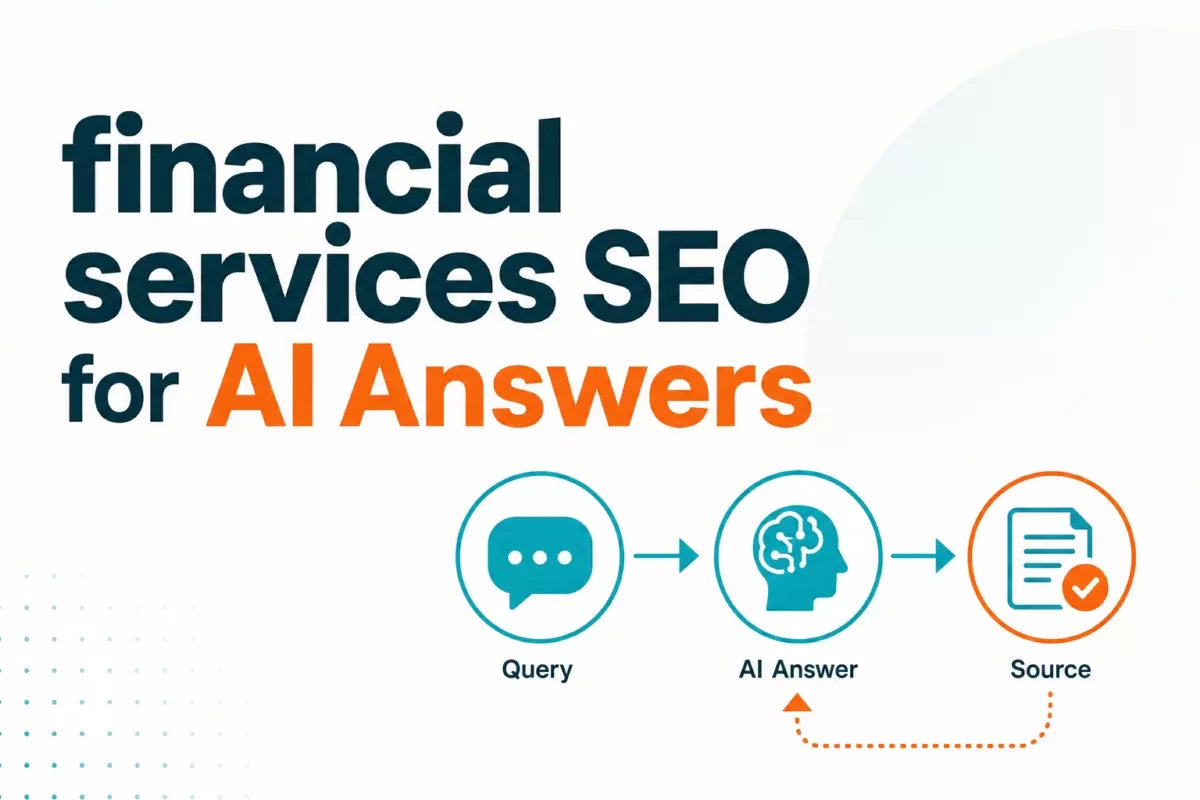
Financial services SEO is no longer just about earning a blue-link ranking and hoping for a click. For institutional finance marketers, the real competition is increasingly about becoming the source that AI answer engines cite in Google AI Overviews, ChatGPT, and Perplexity. That shift changes how we plan content, build authority, and measure success.
In practical terms, answer engine optimization is becoming a core part of institutional finance SEO. Search visibility now includes zero-click experiences, AI-generated summaries, and citation blocks that can influence decision-making even when the user never visits the site. If your content can be clearly understood, reliably attributed, and confidently cited, it can win visibility in a way that traditional rankings alone cannot.
That is why the modern financial services SEO playbook needs to combine entity optimization, structured data, and E-E-A-T with a deliberate citation strategy. The goal is no longer only traffic. It is answer visibility, brand authority, and downstream commercial impact.
Key shift: In AI-powered search, the page that ranks first is not always the page that gets cited first. For financial brands, the winning strategy is to be the clearest and most trustworthy answer source.
Zero-click search is reshaping finance
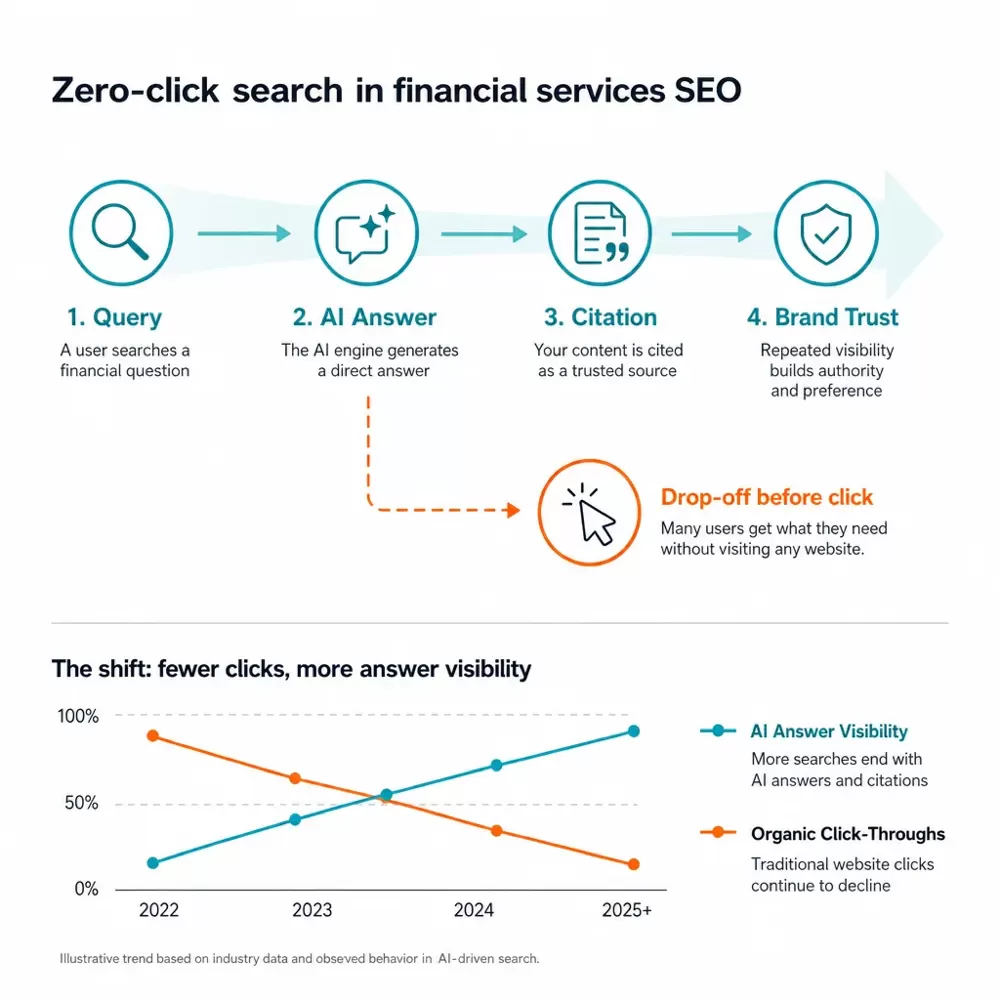
Zero-click behavior has become central to financial services SEO. When users can get a summary, definition, comparison, or next step directly in the results, the click becomes optional. That matters in finance because many queries are informational, compliance-sensitive, or research-driven. An investor, allocator, or procurement stakeholder may read an AI Overview, compare a few cited sources, and move on without ever loading a page.
The implications are especially important for institutional finance SEO. Asset managers, ETF issuers, custodians, and financial institutions often target high-consideration audiences who research products and market concepts repeatedly before converting. In a zero-click environment, visibility in the answer itself can support brand recall long before a form fill or sales conversation.
Recent search behavior reinforces this reality:
- Zero-click search is expanding, which reduces reliance on traffic alone as a success metric.
- AI Overviews are appearing in a meaningful share of U.S. searches, especially for informational and comparative queries.
- Answer visibility can create value even when click-through rates decline.
That is not a reason to abandon content investment. It is a reason to align content with how finance audiences actually search. A retirement plan explainer, ETF methodology page, or market outlook article should be written to satisfy the question immediately while still encouraging deeper engagement for those who want more detail.
Practical takeaway: For finance queries, measure both traffic and citation presence. A page that gets fewer clicks but appears in AI answers may still drive stronger authority and more qualified demand.
How AI answer engines choose sources
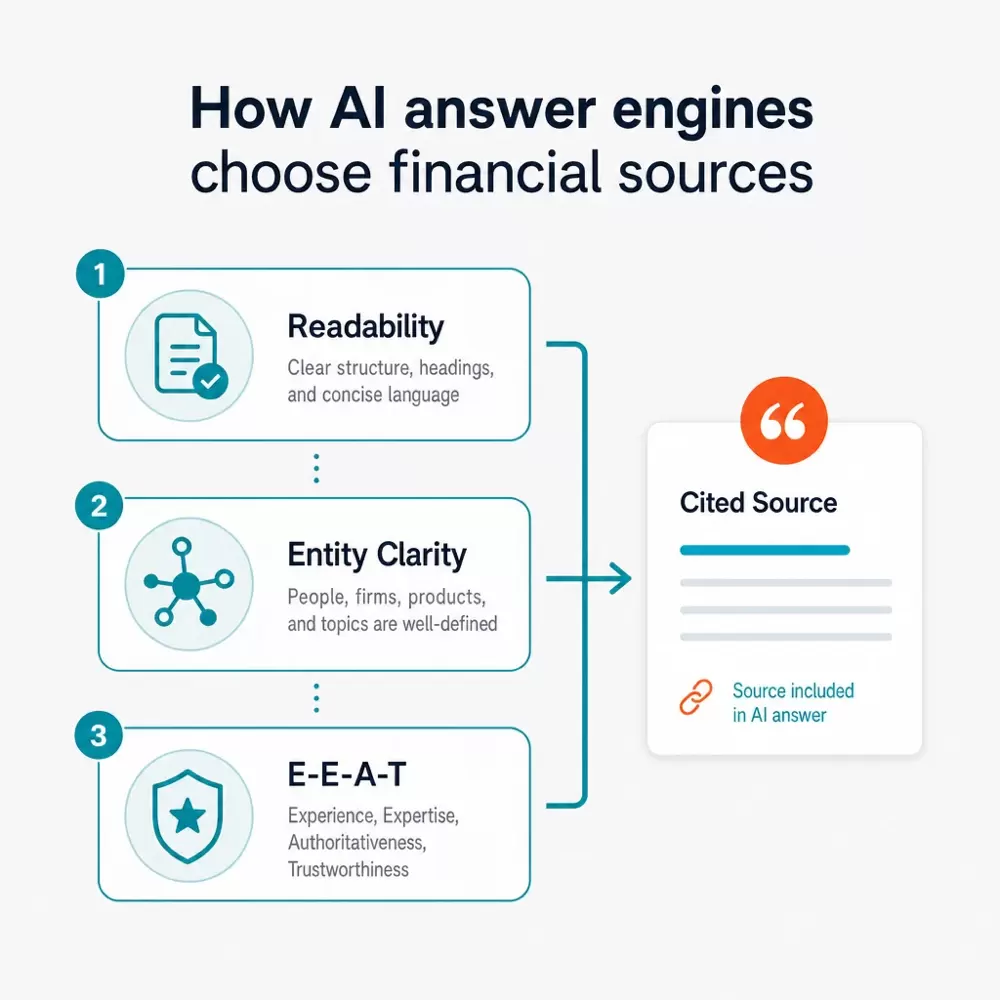
Google AI Overviews, ChatGPT, and Perplexity do not select sources in exactly the same way, but they share a common preference: content that is clear, attributable, and structurally easy to extract. In other words, answer engines reward pages that reduce uncertainty.
For financial services SEO, that means three things matter more than ever:
- Readable structure — concise sections, direct definitions, and logically ordered subtopics.
- Entity clarity — obvious references to the brand, product category, instrument, strategy, and market concept.
- Trust signals — author expertise, source transparency, and consistency with other public references.
AI Overviews often cite only a handful of sources, which makes citation competition intense. In finance, that competition usually favors publishers that explain a topic in a way the model can quickly interpret. A page about municipal bond funds, for example, should not bury the key answer in generic marketing language. It should define the topic, explain the risk/reward framework, and clarify what type of investor or institution it serves.
Different platforms also behave differently:
- Google AI Overviews tends to prefer broader topical coverage, strong E-E-A-T cues, and pages that answer the query with enough confidence to summarize.
- ChatGPT often benefits from highly explicit language, named entities, and content that can be summarized cleanly into short answer chains.
- Perplexity tends to surface source citations aggressively, which makes citation-ready phrasing and clear topical depth especially valuable.
This is why a keyword-first page can underperform even if it ranks. Answer engines are not only matching terms; they are evaluating whether the content is the best source to cite. In finance, that often means content must be more specific, more readable, and more institutionally credible than competing pages.
For teams building SEO Services for Financial Services programs, the strategic question is simple: can a page be extracted, summarized, and trusted by an AI model without losing accuracy?
What to optimize on-page
On-page optimization for financial services SEO now needs to serve both human readers and answer engines. The best pages do not write for one audience at the expense of the other. Instead, they make the core answer obvious, then add depth, nuance, and context for higher-stakes evaluation.
Start with concise answer blocks. If a page targets a product, strategy, or market concept, place a direct definition or takeaway near the top. For example, an ETF issuer page should define the fund’s objective, index methodology, risk profile, and investor use case in plain language. That gives AI systems a clean summary and gives readers immediate orientation.
Then build the page around topic depth rather than exact-match keyword repetition. In modern answer engine optimization, content should cover adjacent concepts that reinforce authority:
- use cases
- risk considerations
- compliance context
- comparisons or tradeoffs
- audience-specific implications
That approach supports institutional finance SEO because institutional audiences rarely search in isolated keywords. They search around portfolio construction, product selection, regulatory impact, and market interpretation. A page that fully addresses the topic is more likely to be cited than one that only repeats the target phrase.
Readability matters too. Long, dense paragraphs can reduce citation potential. Aim for short sections, strong subheads, and plain-language explanations of technical finance concepts. If a term needs precision, define it once and then use it consistently.
On-page principle: If a junior analyst, compliance reviewer, and AI model can all summarize the page accurately in one pass, the page is probably structured well for citations.
Finally, support the page with visible trust signals. Author bios, editorial review notes, methodology explanations, and dated updates all help reinforce E-E-A-T. In finance, those cues are not decoration; they are part of the content’s eligibility for citation.
Structured data and entity clarity
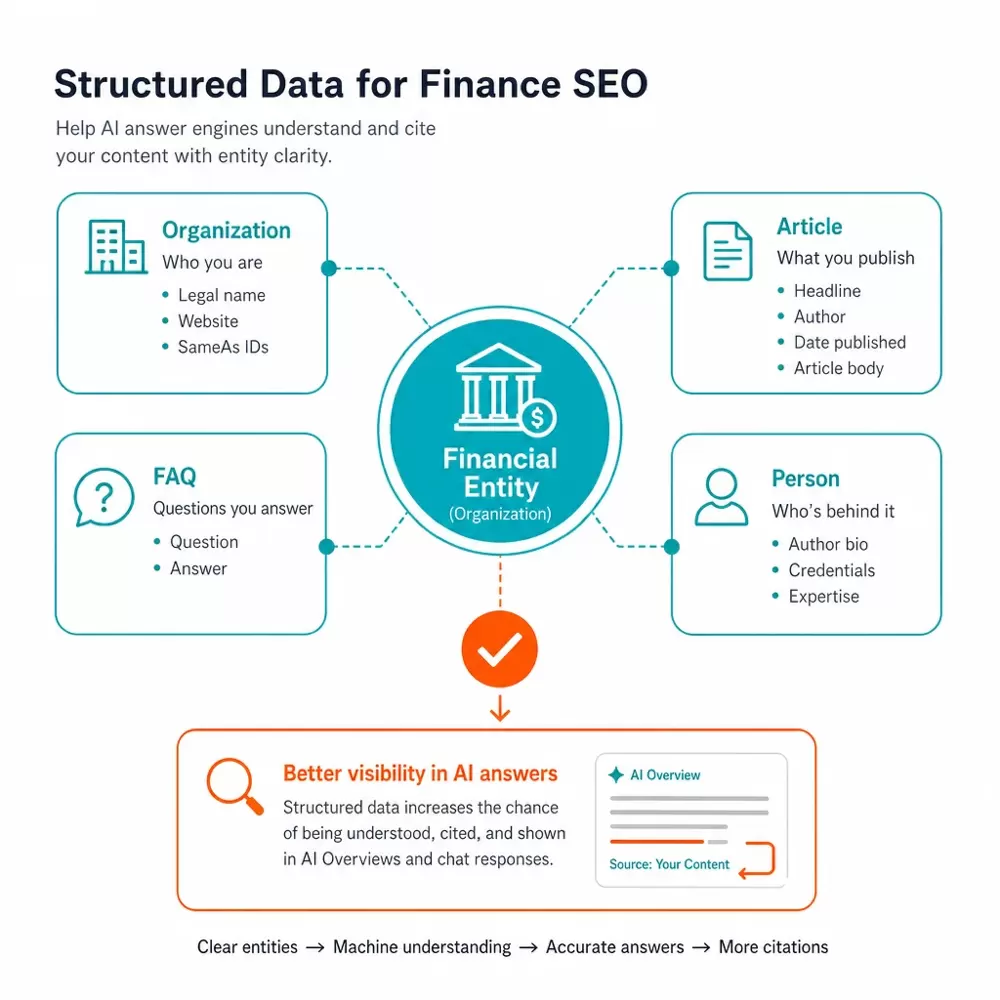
Structured data is one of the most underused advantages in financial services SEO. It gives search systems explicit signals about what a page represents, which is crucial when your content needs to be recognized as the authoritative source for a financial entity, product, or topic.
At a minimum, finance publishers should evaluate schema for:
- Organization and brand identity
- Article or NewsArticle for editorial content
- FAQPage for question-and-answer resources
- BreadcrumbList for hierarchy
- Person for named authors or subject matter experts
But schema alone is not enough. Entity optimization depends on consistency across the page and across the web. If a firm publishes ETF commentary, fund pages, market outlooks, and research insights, each page should use naming conventions that clearly map to the same entity family. That includes the company name, product names, strategy names, and relevant market terms.
In practice, this means:
- use exact, consistent naming for products and strategies
- avoid vague labels that force models to infer meaning
- connect authors to real expertise and credentials
- link related pages so topical relationships are obvious
Structured data and entity clarity work together. Schema tells systems what the page is. Clear copy tells systems why it matters. When those signals align, the page becomes easier to cite in AI answers.
This is especially important for financial services SEO because many finance topics are semantically similar. A page about “active fixed income” needs to be distinct from “core bond strategy,” “duration positioning,” or “credit selection.” Entity clarity helps the model understand those distinctions, which increases citation precision.
Limitation to remember: structured data does not guarantee AI citations. It improves machine readability, but the content still needs strong E-E-A-T, clean topic coverage, and trustworthy supporting signals.
Measuring citation-driven performance
Measuring success in financial services SEO now requires more than rankings and sessions. If answer engines can satisfy the query without a click, then the old attribution model misses a growing part of search value.
Start by tracking three layers of performance:
- Citation visibility — how often your content appears in AI Overviews, Perplexity answers, or other cited summaries.
- Engagement quality — whether visitors who do click spend more time, view more pages, or convert at a higher rate.
- Business outcomes — leads, demo requests, research subscriptions, advisor inquiries, or product interest influenced by search exposure.
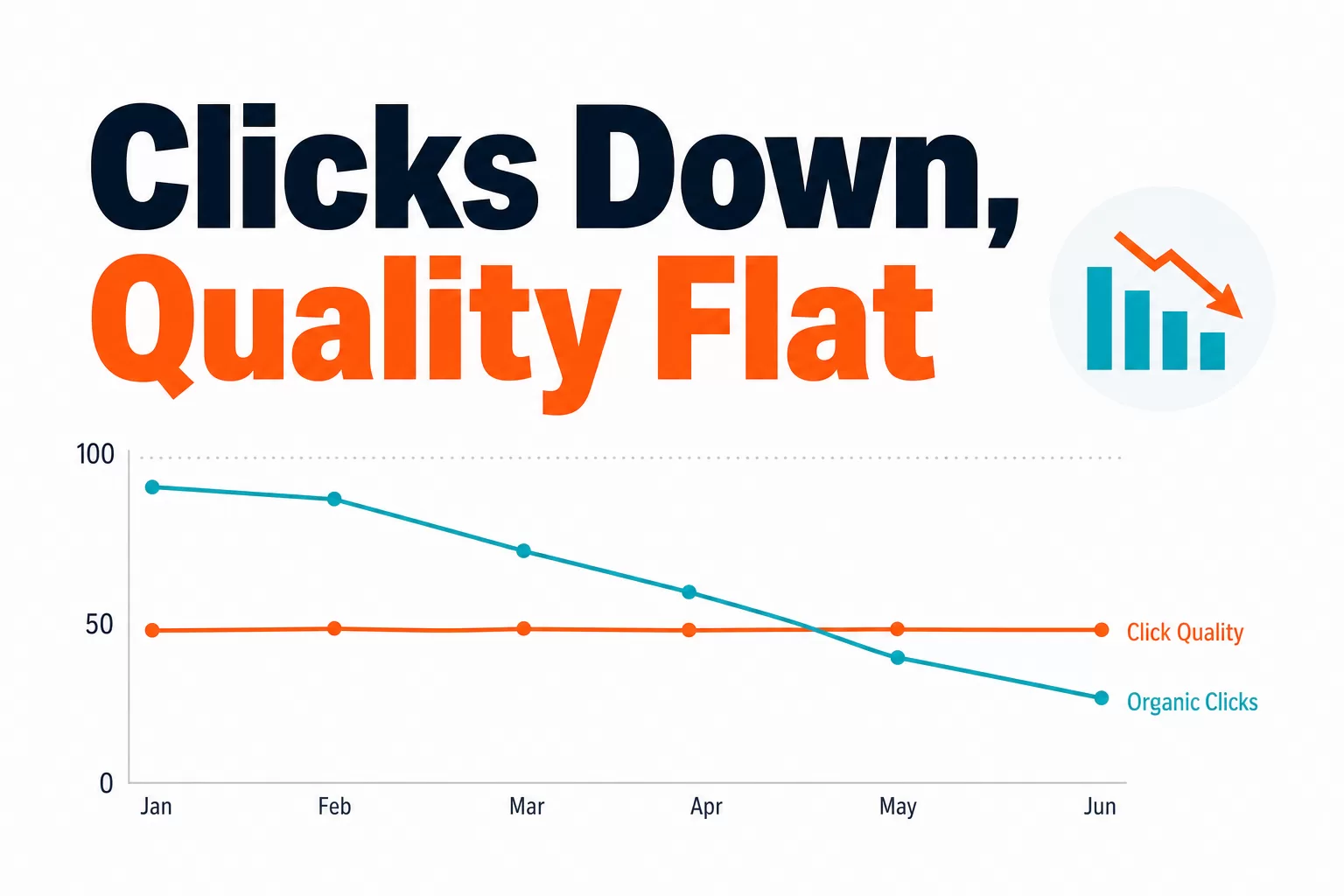
It is possible for traffic to fall while commercial impact rises. That pattern matters in finance because answer visibility can reinforce credibility before the prospect clicks. A brand that is repeatedly cited in market explanations, product comparisons, or risk discussions can win trust earlier in the decision journey.
Use Search Console, analytics, rank tracking, and manual AI query checks together. Search Console still reveals demand patterns and page performance. Rank tracking helps identify classic visibility changes. But citation monitoring is now essential for financial services SEO because answer engines may cite a page even when it does not hold the top organic position.
Build a simple internal scorecard for each priority page or topic cluster:
- organic rankings for target queries
- AI Overview or answer engine citation presence
- brand mention frequency in cited sources
- engagement quality from organic visits
- conversion signals tied to search entry points
That framework helps teams make better decisions about content updates, schema changes, and authority-building efforts. It also keeps the strategy focused on measurable outcomes rather than vague visibility goals.
Bottom line: In AI-driven search, the best financial services SEO programs optimize for citations, not just clicks. The pages that win are the ones answer engines can trust, compress, and attribute accurately.
Authority-building for E-E-A-T and citation strategy
For financial brands, authority-building is now a technical SEO requirement as much as a branding exercise. E-E-A-T must be visible in the content, the author signals, the surrounding site architecture, and the external references that reinforce credibility.
A practical citation strategy for finance should include:
- publishing expert-led commentary with named authors and credentials
- updating market and product pages on a clear editorial cadence
- earning mentions from relevant industry sources and associations
- linking related institutional finance SEO content into topic clusters
- keeping all claims traceable to reliable, public information where possible
For asset managers, ETF issuers, and financial institutions, the most effective content often answers a narrow question exceptionally well while connecting that answer to a broader market context. That balance improves both human trust and machine comprehension.
Financial services SEO is entering a new phase where answer visibility, not just rank position, drives competitive advantage. Teams that adapt early will be better positioned to earn citations across Google AI Overviews, ChatGPT, and Perplexity while still supporting pipeline goals and brand authority.
If your content strategy still treats AI summaries as a side effect, it is already behind. The next phase of search in finance belongs to the brands that can become the answer.