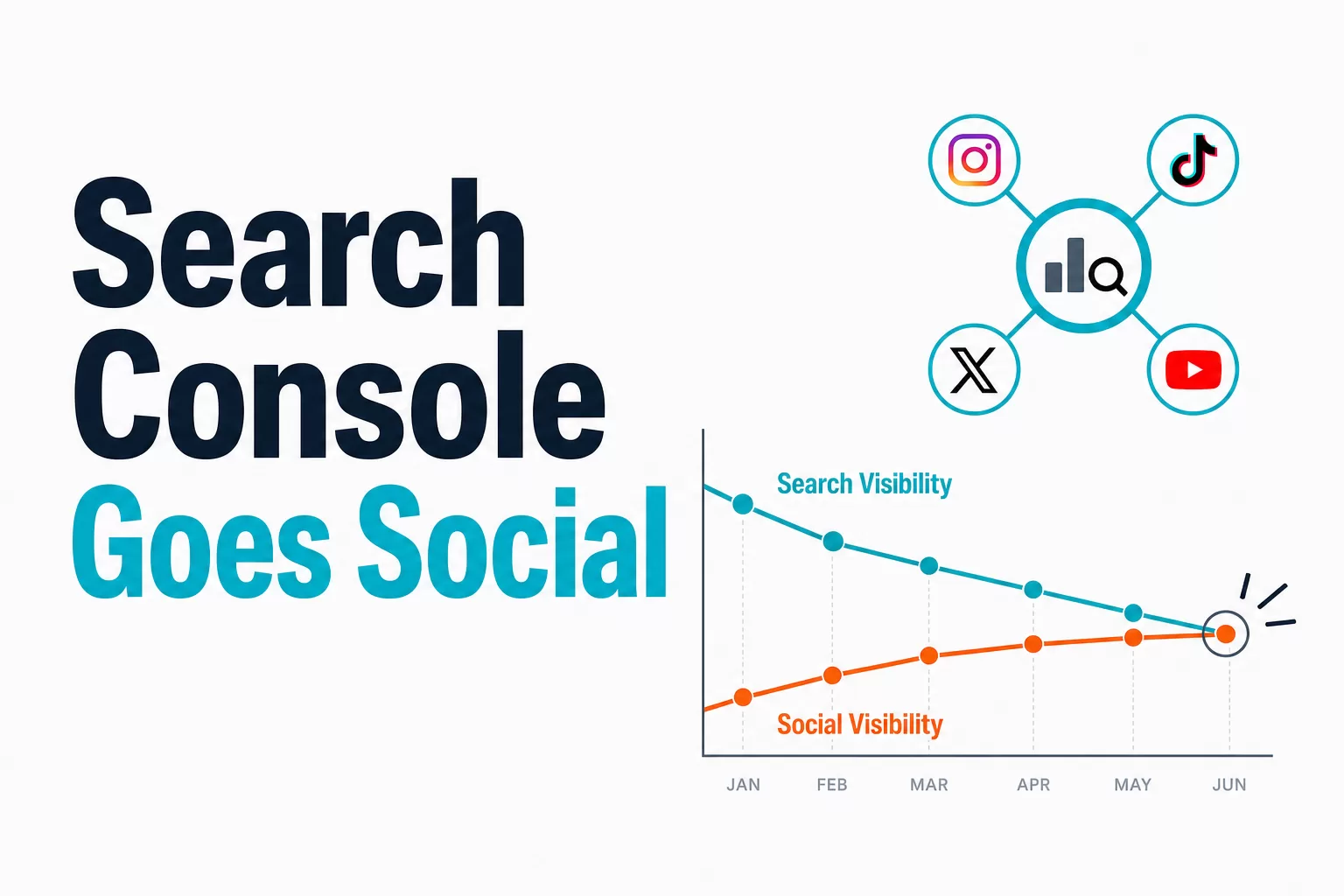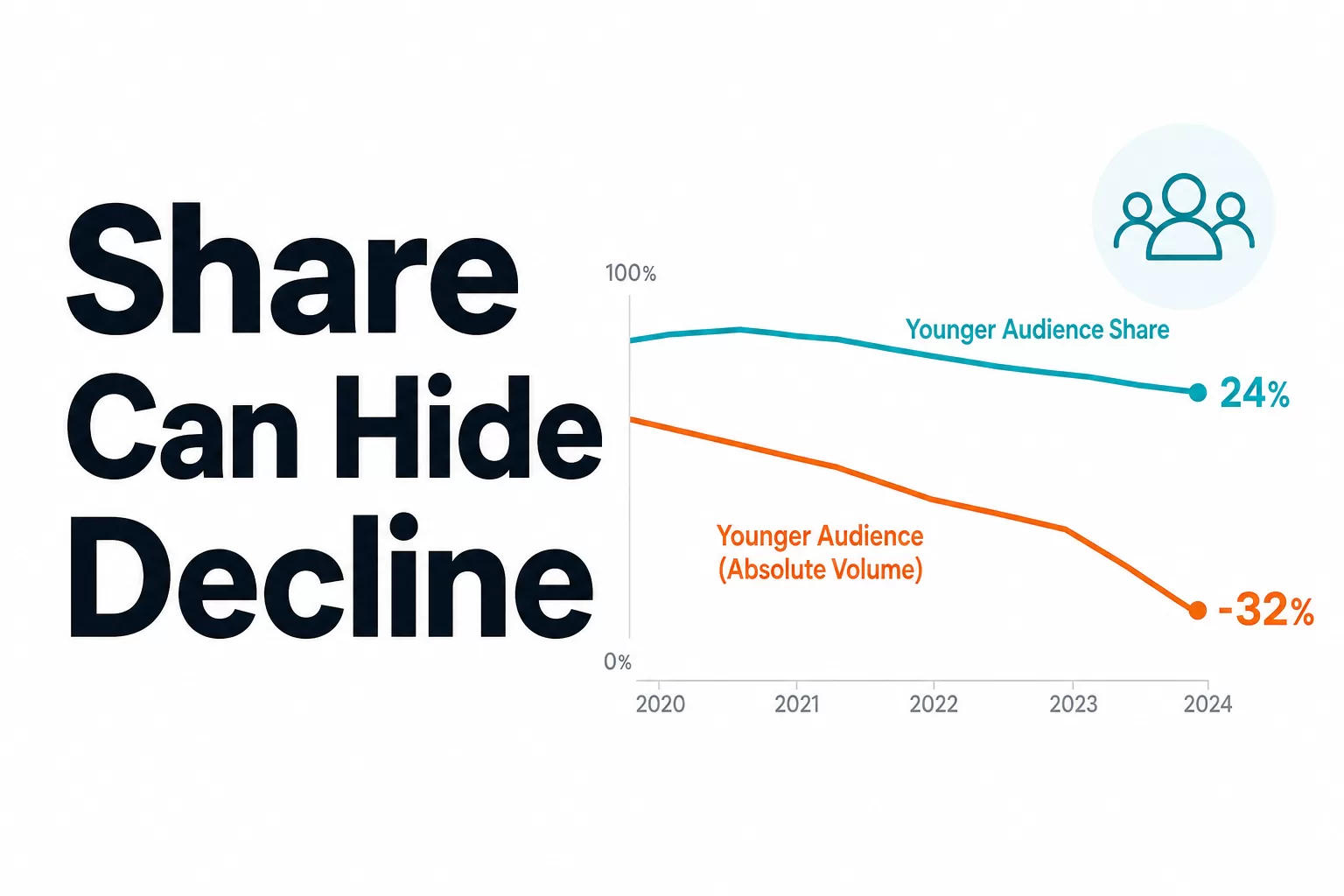
What an audience loyalty ecosystem means
Search has long been treated as a transaction: a user enters a query, clicks a result, gets an answer, and leaves. But Google’s broader product behavior suggests something more ambitious may be taking shape. Instead of optimizing only for the next click, the system may increasingly favor repeat interaction, familiar sources, and content experiences that keep users coming back.
Key idea: an audience loyalty ecosystem is not just about ranking pages. It is about building a search environment where user habits, brand familiarity, and content discovery reinforce one another over time.
In practical terms, this means Google may be evolving from a pure matching engine into a retention layer. It still answers queries, but it may also learn which publishers users trust, which topics they revisit, and which sources create ongoing engagement. That changes the strategic goal for site owners. The win is no longer only to satisfy a single search intent. The win is to become the destination users choose again and again.
This is why the concept matters so much for modern SEO strategy. If the search ecosystem starts rewarding durable audience relationships, then publishers cannot rely on isolated keyword victories alone. They need a system that builds memory, trust, and return visits.
Why this matters for SEO
Traditional SEO has centered on keyword targeting, technical performance, backlinks, and intent alignment. Those fundamentals still matter. But they may not be enough in a search environment shaped by audience behavior and platform stickiness.
Google’s search visibility decisions may increasingly reflect more than page-level relevance. They may also reflect signals tied to brand loyalty, topical authority, and user satisfaction across repeated sessions. In other words, the search engine may be evaluating not just whether a page answers a query, but whether the source contributes to a trusted content ecosystem.
- Brand recognition can influence click choice when multiple results look similar.
- Repeat visits suggest the site has become part of the user’s routine.
- Content depth and consistency can signal long-term value, not just one-off relevance.
- Engagement patterns can indicate whether visitors find the source worth returning to.
That is a major shift for publishers. It means SEO is becoming more behavioral and more ecosystem-driven. Winning a ranking is still important, but the long game is about becoming a preferred source within the user’s ongoing search journey.
Important warning: if organic traffic is treated only as acquisition traffic, publishers may miss the deeper strategic battle: retention, habit formation, and audience ownership.
How Google may be shaping user behavior
Google does not need to explicitly announce an “audience loyalty” program for the effects to exist. The ecosystem can be shaped through product design, result presentation, and repeated exposure to familiar sources. Over time, these mechanisms can influence how users discover, evaluate, and return to content.
1. Familiarity inside search results
When users repeatedly see the same trusted brands or content formats, they begin to associate those sources with reliability. That familiarity can reduce friction and make future clicks more likely. Search stops being purely exploratory and becomes partially habitual.
2. Content discovery loops
Search is no longer a single doorway. It can act as a discovery engine that introduces users to related topics, follow-up questions, and adjacent content. Sites that structure their editorial strategy around content discovery are better positioned to capture these loops.
3. Preference learning and personalization
The more a user interacts with a search ecosystem, the more the system can infer preferences. That can shape what appears, what gets emphasized, and which sources are surfaced more often. For publishers, this means publisher retention may become tied to how well their content fits recurring user patterns.
4. Habit-forming consumption
Sites that publish recurring series, timely updates, or category hubs can encourage the kind of repeat engagement that search systems may interpret as value. This is where SEO begins to overlap with product thinking. The site is not just a library; it is a destination.
For publishers in competitive local markets, the same principle applies. Strong regional brands can build a repeat audience through consistent topical coverage and recognizable editorial identity. For example, a business-focused publisher may need distinct strategies in different markets, such as SEO Services for Digital Marketing Agencies in Lahore or SEO Services for Digital Marketing Agencies in Karachi, where local trust and repeat visibility matter just as much as generic keyword rankings.
Risks for publishers
The strategic upside of this shift is obvious for platforms. The risk for publishers is equally clear. If the search engine becomes better at keeping users inside its own orbit, then the traffic value of a single ranking can decline over time.
1. Greater platform dependency
Publishers that rely heavily on search traffic may become vulnerable to changes in how Google prioritizes familiar sources, user engagement, or ecosystem continuity. A site can still rank well and receive less traffic if user behavior shifts toward preferred brands or on-platform answers.
2. Weak commodity content loses leverage
Generic content is easiest to replace. If multiple pages satisfy the same query, the source with stronger brand memory, deeper trust, or better engagement may win the click more often. That means shallow content strategies face increasing pressure.
3. Erosion of one-time SEO wins
Publishing a page that ranks briefly is not the same as building a durable audience relationship. Sites that chase isolated keywords without building loyalty may see more volatility as search behavior becomes more ecosystem-driven.
4. Reduced direct audience ownership
If users discover content through search but do not develop a reason to return directly, the publisher remains dependent on external mediation. That is a fragile business model. The more Google manages discovery, the more important it becomes for publishers to own email, newsletters, community touchpoints, and returning-reader habits.
Bottom line: the biggest risk is not that SEO disappears. The real risk is that SEO becomes less effective when it is not supported by audience loyalty, brand equity, and direct retention channels.
Strategic responses for site owners
The response is not to abandon SEO. It is to modernize it. Site owners need an approach that treats search as the top of a broader relationship funnel, not the end of the journey.
1. Build repeat engagement loops
Design content pathways that encourage the next click. That includes:
- strong internal linking between related articles
- topic hubs that organize content by user intent
- recurring series that create expectation and habit
- updated evergreen content that stays useful over time
These are not just usability improvements. They are retention mechanisms that help turn first-time visitors into returning readers.
2. Strengthen brand signals
Brand is now a search asset. A recognizable editorial voice, consistent visual identity, and clear authorship can improve trust and click preference. When users know what a site stands for, they are more likely to return.
3. Invest in unique value
Google can surface a lot of content, but it cannot easily commoditize original insight. Publishers should prioritize:
- original reporting
- proprietary data
- expert commentary
- first-hand experience
- distinct editorial analysis
This is where durable differentiation begins. If your content can be copied easily, it can be replaced easily.
4. Build direct audience channels
Do not depend on search alone. Capture email subscribers, nurture social followers, and create community touchpoints that bring users back without a search query. The more direct your relationship with the audience, the less vulnerable you are to platform shifts.
5. Optimize for satisfaction, not just clicks
Search visibility is only part of the equation. The real goal is to satisfy the user so thoroughly that they remember the source. That means clear structure, fast load times, useful answers, and content that invites deeper exploration.
6. Think like a product team
Publishers should think beyond pages and keywords. They should think in terms of user journeys, repeat behaviors, and content systems. The best SEO strategies now resemble product strategies: they create habit, reduce friction, and increase return frequency.
The future of organic traffic
Organic traffic is not dying, but it is becoming harder to win with outdated assumptions. The future likely belongs to sites that combine strong technical SEO with audience loyalty, clear brand identity, and content that supports ongoing discovery.
In that future, search visibility will still matter, but it will be only one part of a larger competitive system. Publishers that understand this shift early will be better positioned to protect traffic, improve retention, and reduce dependency on volatile ranking swings.
Final takeaway: Google may be building a search ecosystem that rewards not just relevance, but relationship. For publishers, the strategic response is to stop chasing only the click and start earning the next visit.
That is the new SEO challenge: not simply to be found, but to become familiar, trusted, and worth returning to.